
RTK: GPS, but much more precise!
Discover RTK, a revolutionary technology that enhances GPS accuracy for applications like robotic lawn mowers.
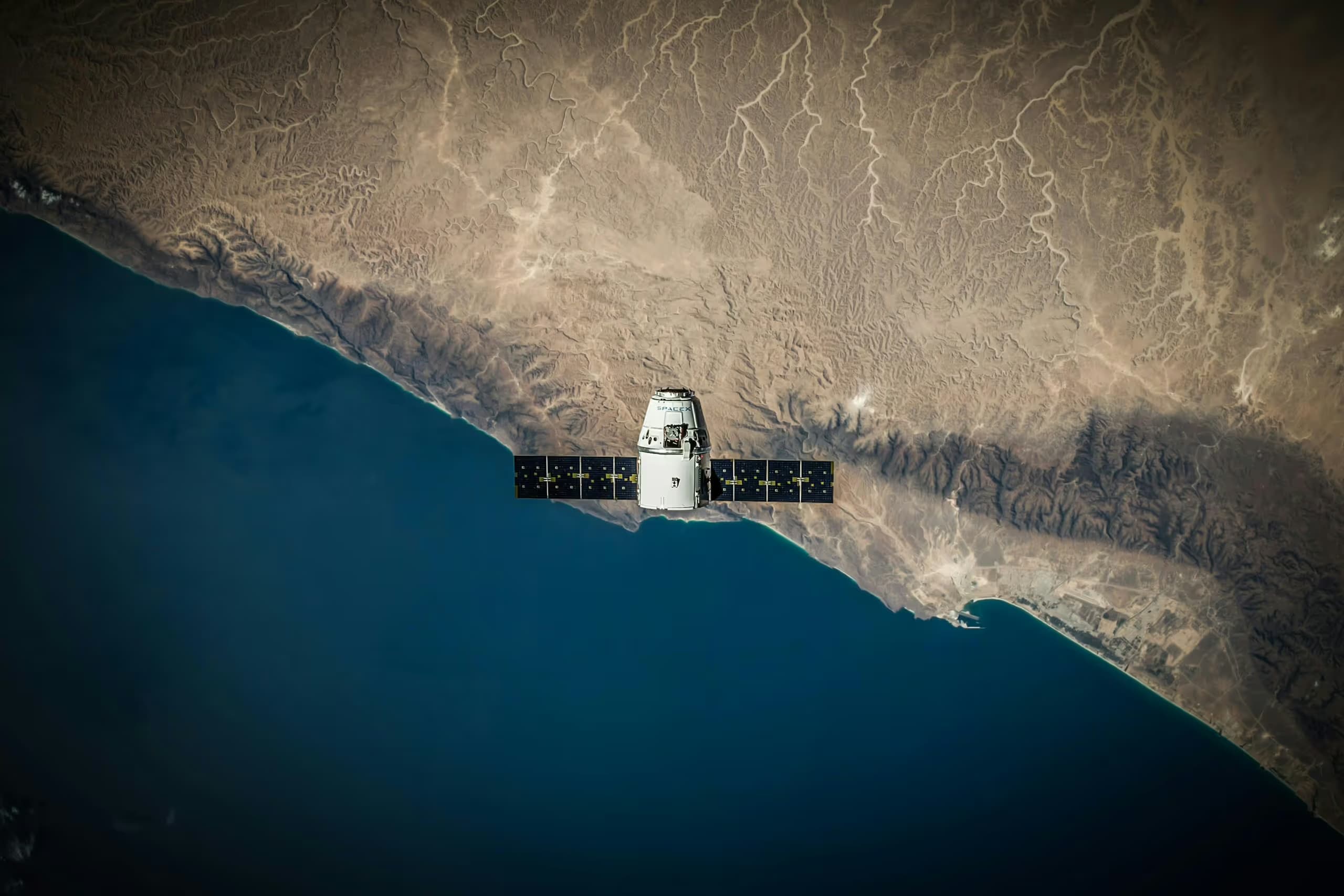
Did you know there is a technology even more precise than GPS, used notably by robotic lawn mowers? This innovation is called RTK (Real-Time Kinematic). But what is it, and why is it so revolutionary?
What is RTK?
RTK significantly improves the accuracy of traditional GPS positioning. While your regular GPS locates you within a few meters, RTK reduces that margin to just a few centimeters. Impressive, right?
This accuracy is achieved through the combination of data from a fixed base station and satellite signals. The station corrects the received data and transmits it to the mobile receiver (like that of a robotic lawn mower) for ultra-precise positioning.
How does it work?

The system relies on two main components:
• A fixed base station : It knows its exact position and compares it to the received GPS data.
• A mobile receiver : This device (for example, on the robot) receives a correction signal sent by the station to adjust its position.
The result: centimeter-level accuracy ideal for applications requiring hyper-reliable localization.
Is it really useful for a robotic lawn mower?
The RTK technology provides a real advantage to robotic lawn mowers. Thanks to its centimeter-level accuracy, it allows for much more uniform and efficient mowing. As you can see in my article about the Segway H1500E, I am clearly convinced by the precision offered by this technology.
First, better accuracy means that the robot can mow each area optimally, without leaving uncut strips. This enhances the aesthetics of your garden and ensures a professional result.
Next, RTK helps reduce the overlap of passes. By avoiding going over the same area multiple times, the robot saves energy and extends battery life. This also translates into reduced mowing time.
Finally, with RTK, robotic lawn mowers can navigate more easily around obstacles, such as trees or flower beds, by adjusting their trajectory with remarkable precision. This reduces the risk of damaging plants or the robot itself.
Other use cases
RTK is not limited to robotic lawn mowers. It also finds applications in several fields:
• Agriculture : Agricultural machines use RTK for tasks like planting and fertilizing, reducing waste and improving productivity.
• Construction : Surveying teams rely on RTK for accurate measurements, minimizing costly errors on construction sites.
• Maritime navigation : RTK helps vessels maneuver in confined areas, such as ports or canals, with remarkable precision.
In summary, RTK is not just a gadget: it redefines precision in mowing and simplifies garden maintenance. For tech enthusiasts and meticulous gardeners, a robot equipped with RTK is an investment that truly changes daily life.
